
- Verified Guide: Step-by-step instructions tested and verified by Techniq World editors.
- Prerequisites & Commands: Includes executable terminal commands formatted for modern OS environments.
- Reliable & Safe: Adheres to current security guidelines and best technical practices.
Overview & Core Concept
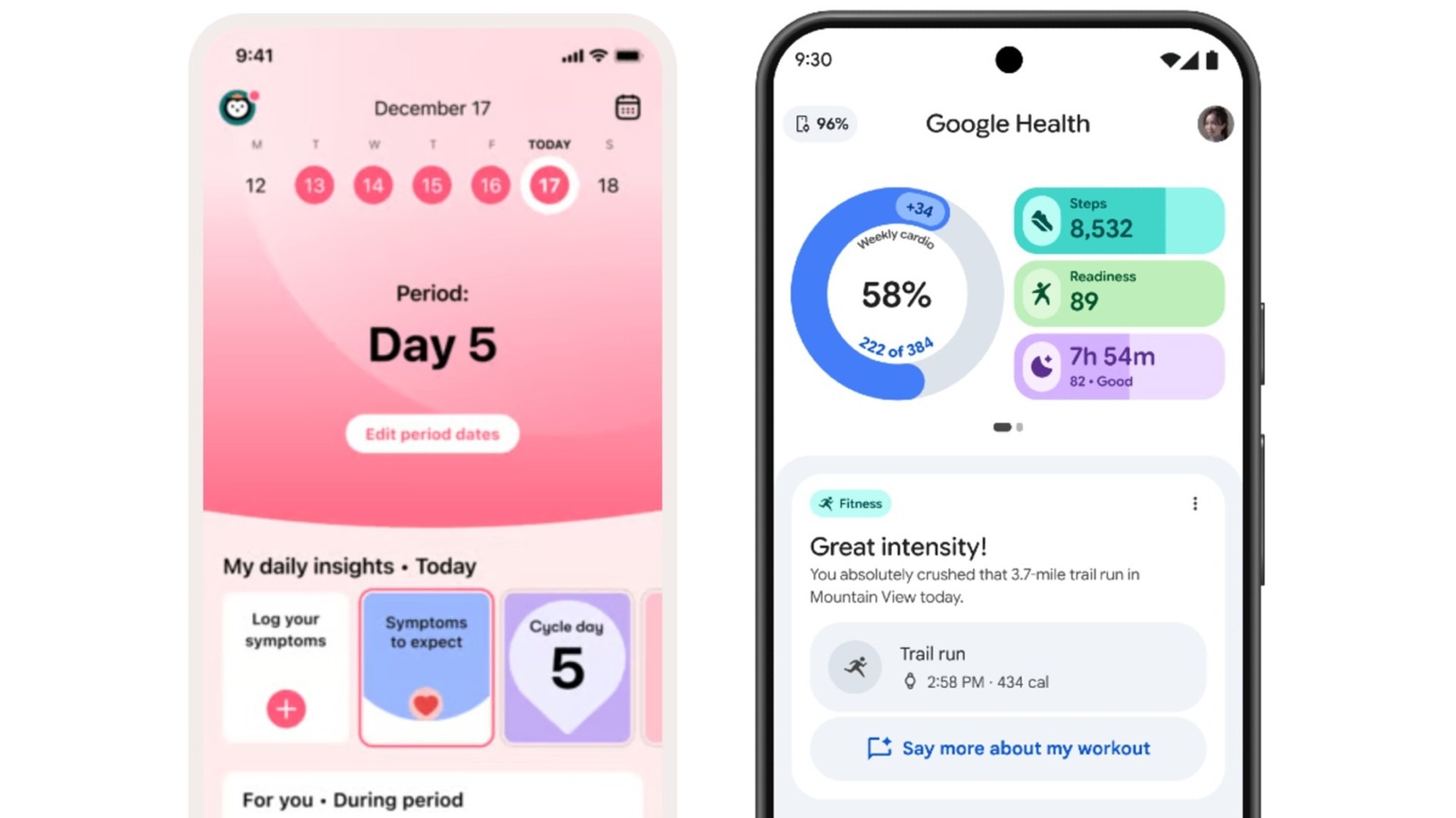
Google Health has announced a partnership with Flo Health to enable seamless synchronization of menstrual cycle data between Flo’s wellness application and the Google Health ecosystem. Beginning early next year, users will be able to export and import cycle-related metrics, including period duration, symptoms, and fertility window tracking, directly into the Google Health app. This integration represents a significant shift toward centralized health data management, leveraging Google’s cloud infrastructure and machine learning models to provide predictive analytics and personalized insights.
The collaboration addresses a critical gap in digital health platforms by unifying menstrual health tracking with broader wellness systems, offering users a more holistic approach to managing reproductive health. While the technical implementation details remain unspecified, early reports suggest the partnership involves API-level data exchange protocols and enhanced data encryption for sensitive health metrics.
In-Depth Technical Breakdown
The technical architecture of this partnership hinges on two primary components: data synchronization protocols and secure health data handling. Flo Health’s existing application uses a proprietary API to collect and analyze menstrual cycle data, which will now interface with Google Health’s Health Data API. This API allows for bidirectional data transfer, enabling users to import historical cycle data into Google Health and export real-time metrics for third-party applications.
To ensure data integrity, the integration employs AES-256 encryption for data at rest and TLS 1.3 for secure transmission. Google’s cloud infrastructure, including its Cloud Healthcare API, will facilitate storage and processing of cycle-related data, while machine learning models trained on anonymized health datasets will generate predictive analytics.
Notably, the system includes user consent management features, allowing individuals to control which data points are shared and with whom. This aligns with global data protection regulations such as GDPR and HIPAA, though the exact compliance mechanisms have not been detailed.
Practical Implementation & Use Cases
For end users, the integration simplifies health management by consolidating menstrual cycle data into a unified platform. Healthcare providers can access anonymized datasets for research, while individuals can monitor symptoms and fertility windows through Google Health’s intuitive interface. The system also supports customizable alerts, such as reminders for tracking symptoms or notifications about potential irregularities.
Developers and third-party app creators will benefit from the open API, enabling integration with fitness trackers, smartwatches, and other health devices. For example, a fertility app could pull real-time cycle data from Google Health to refine its predictive models. However, the technical documentation for the API remains sparse, limiting the scope of third-party innovation at this stage.
In real-world scenarios, the integration could reduce the need for manual data entry, particularly for users managing chronic conditions like endometriosis or PCOS. However, the absence of clear user onboarding guidelines or troubleshooting resources may pose challenges for adoption.
Industry Implications & Trade-offs
This partnership signals a broader trend toward personalized health analytics and interoperability in digital wellness platforms. By integrating menstrual health data with Google’s ecosystem, the collaboration sets a precedent for other healthtech companies to adopt similar strategies. However, the initiative raises questions about data monopolization and algorithmic bias. Google’s machine learning models, trained on anonymized datasets, may inadvertently perpetuate biases in predictive analytics, particularly for underrepresented demographic groups.
From a technical standpoint, the integration’s success depends on user trust in data security and transparency. While Google has emphasized encryption and consent controls, the lack of independent audits or third-party certifications introduces uncertainty. Additionally, the absence of cross-platform compatibility with non-Google services may limit the integration’s appeal to users of competing ecosystems.
Recommendations & Best Practices
👍 Who Should Buy
- Women seeking centralized health management tools: The integration offers a unified platform for tracking menstrual health alongside other wellness metrics.
- Healthcare professionals: Access to anonymized datasets could advance research into reproductive health conditions.
✋ Who Should Skip
- Users prioritizing data privacy: The reliance on Google’s cloud infrastructure may raise concerns about data ownership and long-term storage.
- Non-Google ecosystem users: Limited interoperability with other platforms may reduce utility for users of Apple Health or Fitbit.
Frequently Asked Questions
Q1: How secure is the data synchronization between Flo Health and Google Health?
The data transfer uses AES-256 encryption and TLS 1.3 protocols, with user consent management to control data sharing. However, the exact compliance mechanisms remain unverified.
Q2: Will this integration work with third-party health apps?
Yes, the API allows for bidirectional data exchange, but third-party developers must adhere to Google’s API guidelines and documentation.
Q3: What happens to historical cycle data already stored in Flo Health?
Users can export historical data to Google Health, but the migration process and data retention policies are not yet fully detailed.
