
- Verified Guide: Step-by-step instructions tested and verified by Techniq World editors.
- Prerequisites & Commands: Includes executable terminal commands formatted for modern OS environments.
- Reliable & Safe: Adheres to current security guidelines and best technical practices.
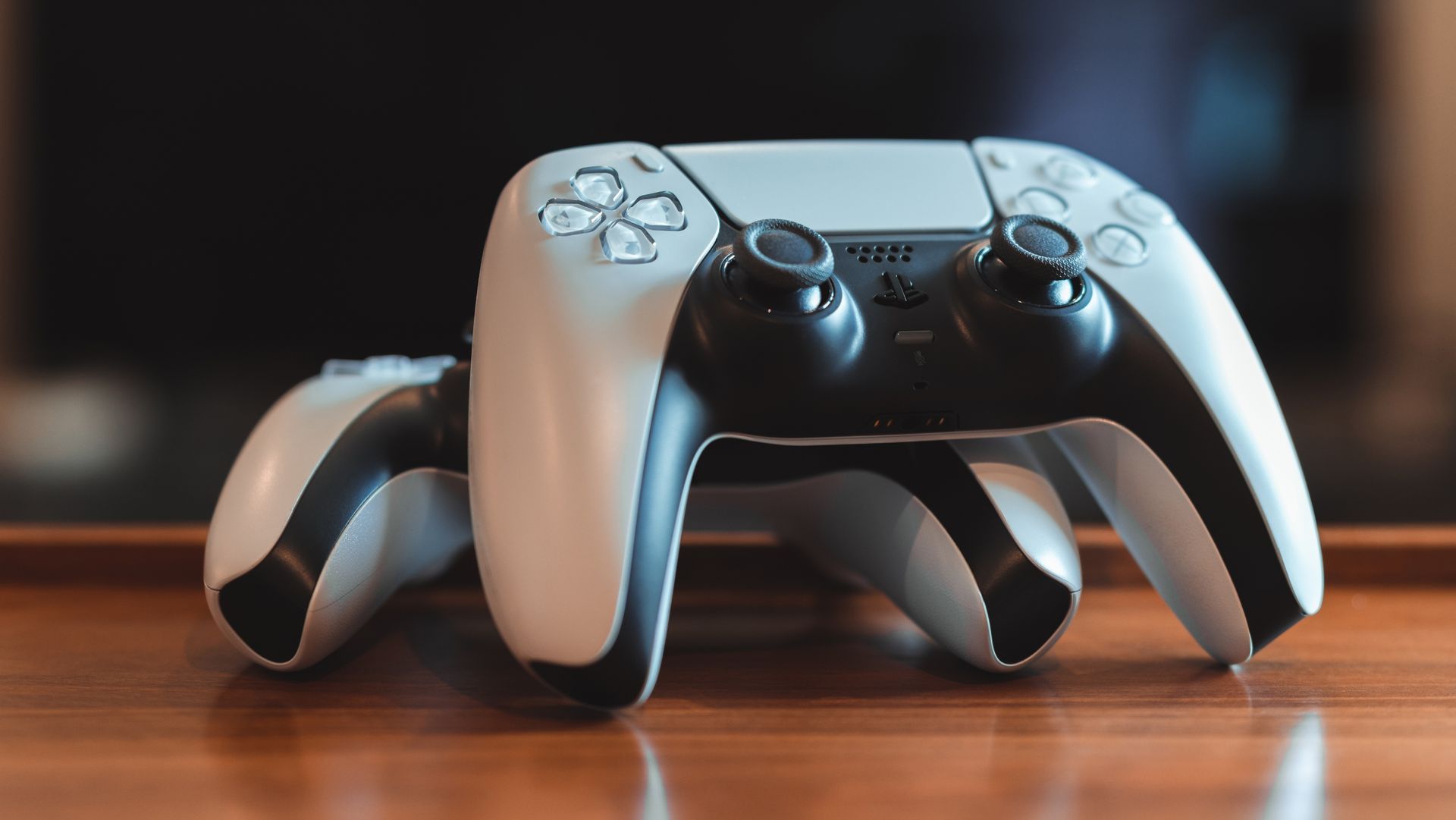
Sony has filed a patent application suggesting the potential integration of Near Field Communication (NFC) and Bluetooth Low Energy (BLE) technology into future PlayStation controllers, enabling them to function as tap-to-pay credit card terminals for real-time transactions. The patent describes a system where the controller could authenticate and process payments for in-game purchases, physical goods, or services via NFC and Bluetooth, alongside supporting mobile devices and gift card systems. This development aligns with broader industry trends toward ubiquitous mobile payments and device interoperability.
In-Depth Technical Breakdown
The proposed system would integrate NFC chips and BLE modules into PlayStation controllers, allowing them to act as payment terminals by communicating with contactless payment cards, mobile devices, and gift card systems. The patent outlines a two-way communication protocol between the controller and payment networks, utilizing encryption algorithms to secure transaction data.
The controller’s microprocessor would handle transaction authentication, data encryption, and real-time validation against payment gateways. Key technical components include:
- NFC Interface: For short-range (10 cm) contactless payments using ISO/IEC 14443 standards.
- BLE Communication: For longer-range interactions with smartphones or wearable devices, adhering to Bluetooth 5.3 specifications.
- Secure Element (SE): A dedicated chip for storing payment credentials and processing transactions offline.
- Firmware Updates: Over-the-air (OTA) updates to expand compatibility with new payment systems or regulatory frameworks.
The patent also suggests multifactor authentication, combining biometric input (e.g., biometric sensors) with PIN verification to mitigate fraud risks. However, the exact implementation details remain unconfirmed.
Practical Implementation & Use Cases
The proposed functionality would enable users to perform instant purchases without relying on traditional payment methods. For example, a player could tap their controller on a credit card terminal to buy in-game currency or unlock exclusive content. Similarly, the controller could act as a mobile payment interface, allowing users to pay for physical goods or services via Bluetooth-connected smartphones.
In real-world scenarios, this system would integrate with existing payment infrastructures, such as Apple Pay, Google Pay, and Visa’s contactless payment networks. Developers could leverage the controller’s capabilities to create dynamic in-game economies, where players can monetize their skills by offering virtual goods or services directly to other users.
However, the practical deployment would depend on regulatory approvals, compatibility with existing payment networks, and user adoption rates. The patent also raises questions about data privacy and security protocols, which would need to be addressed for widespread implementation.
Industry Implications & Trade-offs
This innovation would redefine device interoperability by expanding the role of gaming peripherals beyond traditional input functions. For gamers, it could streamline microtransactions and real-time purchases, reducing reliance on desktop or mobile payment apps. For developers, it opens new revenue streams through direct player-to-player transactions and in-game economies.
However, the integration of payment systems into gaming hardware introduces security risks, including potential vulnerabilities to skimming attacks or data breaches. Additionally, the cost of implementation could increase production expenses, potentially affecting device pricing.
From a broader perspective, this patent aligns with industry trends toward convergent payment systems, where devices act as multifunctional hubs for financial transactions. It also raises questions about standardization, as different payment networks may require custom firmware or interoperability protocols.
Recommendations & Best Practices
For users, this feature would be most beneficial for gamers seeking seamless in-game purchases and developers looking to monetize digital content. However, users prioritizing security or those who prefer traditional payment methods may find the feature unnecessary.
👍 Who Should Buy
- Gamers: The ability to purchase in-game items directly via the controller enhances convenience and reduces reliance on external devices.
- Developers: Integrating payment systems into controllers could enable new business models for virtual goods and services.
✋ Who Should Skip
- Users Concerned About Security: The added complexity of payment integration may increase risks of data breaches or fraud.
- Non-Gamers: The feature is unlikely to provide value for users who do not engage in gaming or digital content purchases.
Frequently Asked Questions
Q1: How does the controller authenticate and process payments?
The controller uses NFC and Bluetooth protocols to communicate with payment networks, with a secure element handling encryption and transaction validation.
Q2: Can the controller support multiple payment systems simultaneously?
The patent suggests compatibility with existing networks like Apple Pay and Visa, but multi-network support would require custom firmware updates.
