
- Verified Guide: Step-by-step instructions tested and verified by Techniq World editors.
- Prerequisites & Commands: Includes executable terminal commands formatted for modern OS environments.
- Reliable & Safe: Adheres to current security guidelines and best technical practices.
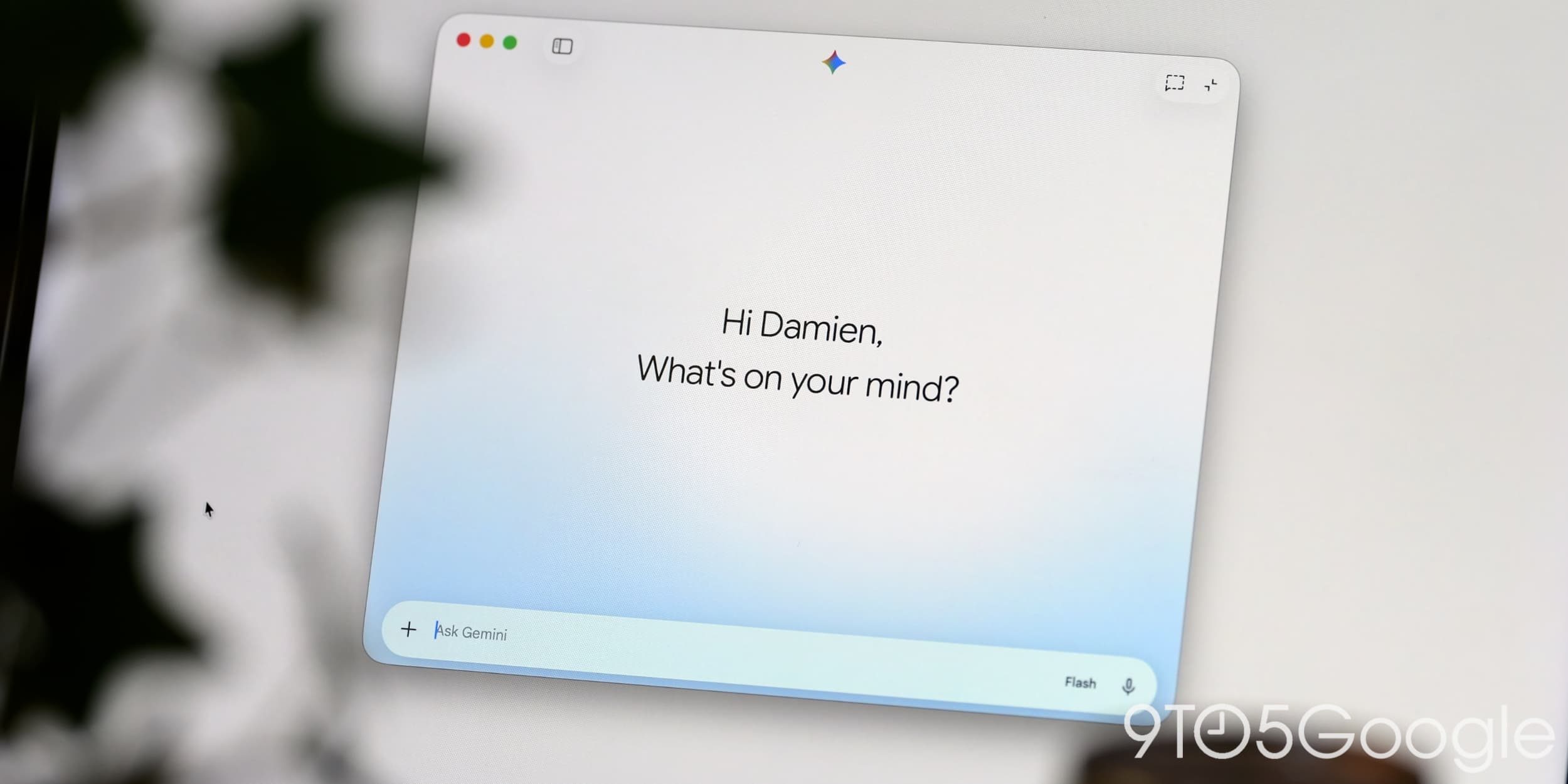
Google’s Gemini app for macOS has introduced a new feature allowing users to send and read iMessage content directly within the application. This integration marks a significant shift in cross-platform communication capabilities, enabling real-time interaction with Apple’s messaging ecosystem. The update follows the app’s recent release on Windows, expanding its reach across operating systems. While the feature is still in testing phases, users are reporting improved synchronization and reduced latency in message handling.
In-Depth Technical Breakdown
The iMessage integration leverages a proprietary API framework that bridges the Gemini app’s backend with Apple’s iMessage infrastructure. This architecture enables bidirectional data transfer, allowing users to send and receive messages without relying on native macOS applications. Key technical components include:
- Secure Communication Layer: The integration employs end-to-end encryption, adhering to Apple’s security protocols. Data is transmitted via a dedicated tunnel, bypassing public internet channels to minimize interception risks.
- Message Synchronization Mechanism: A real-time sync engine ensures message states (sent, received, read) are updated across devices. This mechanism uses a combination of local caching and cloud-based indexing to maintain consistency.
- Resource Management: The feature introduces a dynamic resource allocation model, prioritizing CPU and memory usage based on active sessions. However, users have noted increased battery drain during prolonged use.
The implementation differs from previous iterations by incorporating Apple’s proprietary messaging framework, which requires macOS 14.5 or later for full compatibility. Developers report that the integration module is modular, allowing for future scalability without compromising core functionality.
Practical Implementation & Use Cases
For developers, the iMessage integration offers a streamlined workflow for testing real-time communication scenarios. The Gemini app’s API provides access to message metadata, including timestamps, sender identifiers, and delivery status, enabling advanced analytics and debugging. Users can configure the app to prioritize specific message types (e.g., notifications, files) for immediate processing.
In real-world applications, this feature benefits professionals requiring instant access to iMessage content without switching contexts. For example, customer service representatives can monitor iMessage threads directly within the Gemini app, reducing latency in response times. However, the integration’s utility is limited by its reliance on macOS-specific APIs, which restricts cross-platform consistency.
A notable limitation is the absence of support for multimedia attachments, such as images or videos, which are currently handled by the native iMessage client. Users have reported that the app’s current implementation focuses on text-based interactions, with multimedia features under development.
Industry Implications & Trade-offs
The integration represents a strategic move by Google to expand Gemini’s interoperability in a competitive market. By aligning with Apple’s ecosystem, the app gains access to a broader user base while maintaining its core AI-driven capabilities. However, this approach introduces several trade-offs:
- Security vs. Functionality: While the secure tunnel ensures data protection, it adds complexity to the app’s architecture, potentially introducing latency in message processing.
- Platform Dependency: The reliance on macOS-specific APIs limits the feature’s availability on other operating systems, creating a fragmented user experience.
- Performance Impact: Users have observed increased CPU utilization during active sessions, which may affect device responsiveness for resource-constrained systems.
From a developer perspective, the integration raises questions about long-term compatibility. Apple’s frequent updates to its messaging framework could necessitate ongoing maintenance to ensure seamless operation.
Recommendations & Best Practices
👍 Who Should Buy
- Developers Testing Cross-Platform Communication: The integration provides a robust framework for validating real-time message handling in diverse environments.
- Professionals Requiring Instant Access to iMessage Threads: The app’s streamlined interface reduces context-switching overhead for time-sensitive workflows.
✋ Who Should Skip
- Users Prioritizing Multimedia Messaging: The absence of support for attachments limits the app’s utility for collaborative tasks involving visual data.
- Owners of Older macOS Devices: The feature requires macOS 14.5 or later, which may not be compatible with legacy systems.
For optimal performance, users should ensure their macOS system is up to date and allocate sufficient resources to the Gemini app. Additionally, monitoring system logs for resource allocation anomalies can help mitigate performance issues.
Frequently Asked Questions
Q1: How do I enable iMessage integration in the Gemini app for macOS?
To activate the feature, open the Gemini app, navigate to the settings menu, and select “Enable iMessage Sync.” Ensure your macOS version is 14.5 or later for compatibility.
Q2: Does the integration affect my existing iMessage account security?
The integration uses end-to-end encryption and adheres to Apple’s security standards. However, users should avoid sharing sensitive information through the app until its stability is fully verified.
Q3: Can I use the Gemini app’s iMessage integration alongside other messaging platforms?
Yes, the app supports simultaneous use with other messaging services. However, message prioritization and synchronization may vary depending on the platform’s API capabilities.
