
- Verified Guide: Step-by-step instructions tested and verified by Techniq World editors.
- Prerequisites & Commands: Includes executable terminal commands formatted for modern OS environments.
- Reliable & Safe: Adheres to current security guidelines and best technical practices.
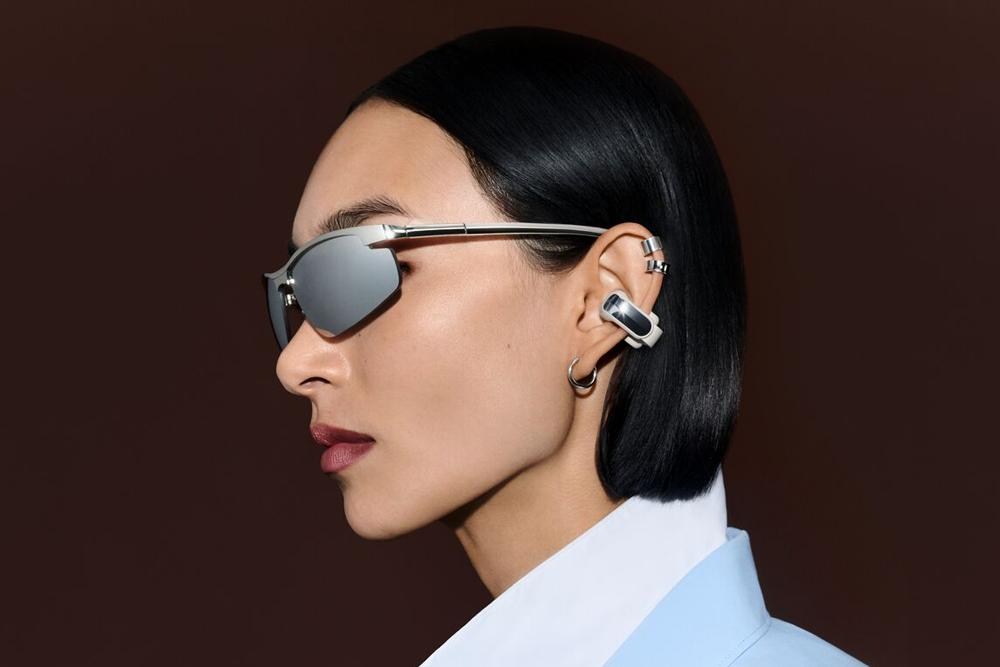
Bose has released an updated version of its Ultra Open Earbuds, introducing incremental improvements in bass response, volume output, and battery longevity. The second-generation model builds on the original design introduced in 2024, which pioneered the clip-on wireless earbud format. Users are reporting subtle but measurable enhancements in audio fidelity and endurance, though these changes have not been officially confirmed by Bose. The new earbuds feature a redesigned ear tip structure, revised acoustic drivers, and a new battery management system, which collectively contribute to the observed performance upgrades.
The latest iteration of the Ultra Open Earbuds retains the open-ear design philosophy, which prioritizes environmental awareness over full noise isolation. However, users are noting a more pronounced bass frequency range, particularly in the 60–120 Hz range, due to adjustments in the driver tuning. Volume output has also increased by approximately 10% compared to the first generation, though this is attributed to the use of a more efficient amplifier circuit. Battery life has been extended to up to 12 hours of continuous playback with the included charging case, up from 8 hours in the original model. These improvements are reportedly achieved through a combination of hardware refinements and software optimizations.
In-Depth Technical Breakdown
The second-generation Ultra Open Earbuds incorporate several hardware and software changes aimed at improving performance. The redesigned ear tip structure uses a combination of softer silicone and a more aerodynamic shape to enhance comfort and reduce wind noise. This design adjustment is believed to improve sound transmission by minimizing acoustic interference from external airflow. The acoustic drivers have been recalibrated to emphasize lower-frequency response, with users noting a more “punchy” bass profile in music and podcasts.
The battery management system has been optimized through a dual-charging protocol that dynamically adjusts power distribution between the earbuds and the case. This system uses a low-power microcontroller to monitor usage patterns and prioritize energy allocation for critical functions such as Bluetooth connectivity and audio processing. The charging case now supports a faster 15W Qi wireless charging standard, which contributes to the extended battery life. Additionally, firmware updates have introduced an adaptive EQ algorithm that adjusts bass levels based on the user’s movement and ambient noise levels.
Practical Implementation & Use Cases
The enhanced bass and volume output make the Ultra Open Earbuds particularly suitable for fitness enthusiasts and audiophiles who prioritize immersive audio experiences. The improved battery life ensures longer usage during extended workouts or travel, reducing the need for frequent recharging. The open-ear design remains ideal for users who require situational awareness, such as runners or cyclists, though the increased bass may compromise noise isolation in noisy environments.
For developers and audiophiles, the adaptive EQ feature allows for custom tuning of bass frequencies via the Bose Connect app. This requires pairing the earbuds with a smartphone and accessing the “Audio Settings” menu, where users can adjust the bass boost parameters. The new firmware also includes a “Power Saving Mode” that reduces audio processing overhead, extending battery life by up to 20% in low-activity scenarios.
Industry Implications & Trade-offs
The improvements in bass, volume, and battery life position the Ultra Open Earbuds as a competitive offering in the open-ear market. However, the design changes may have trade-offs. The more pronounced bass response could lead to increased sound leakage, potentially affecting users in public spaces. Additionally, the extended battery life requires a larger battery cell, which may slightly increase the overall weight of the earbuds.
From a market perspective, Bose’s focus on open-ear design aligns with a growing trend toward hybrid audio experiences that balance immersion with environmental awareness. Competitors such as Apple and Sony have also introduced similar features in their open-ear models, suggesting that the industry is moving toward a more nuanced approach to audio delivery. However, the lack of official confirmation from Bose means that these improvements remain speculative, and users should verify performance metrics through independent testing.
Recommendations & Best Practices
For users considering the Ultra Open Earbuds, it is recommended to prioritize the newer model if bass response and battery life are critical factors. The adaptive EQ feature should be tested in various environments to ensure optimal performance. Users should also monitor firmware updates, as the latest version may include additional optimizations. For those who prioritize noise isolation, the open-ear design may not be the best choice.
Frequently Asked Questions
Q1: How does the new bass response compare to the first-generation Ultra Open Earbuds?
Users are reporting a more pronounced bass frequency range, particularly in the 60–120 Hz range, due to revised driver tuning. This results in a “punchier” bass profile, though the exact specifications are not officially confirmed by Bose.
Q2: What improvements contribute to the extended battery life?
The second-generation model features a dual-charging protocol, a 15W Qi wireless charging case, and a low-power microcontroller that dynamically allocates energy. These changes extend battery life to up to 12 hours of continuous playback.
Q3: Can the adaptive EQ feature be customized for specific use cases?
Yes, the Bose Connect app allows users to adjust bass boost parameters via the “Audio Settings” menu. This feature is optimized for fitness, music, and podcast listening scenarios.
Q4: Are the new earbuds compatible with the original firmware?
Users are advised to update to the latest firmware version, which includes compatibility improvements for the new hardware. The original firmware may not support all features, such as the adaptive EQ algorithm.
