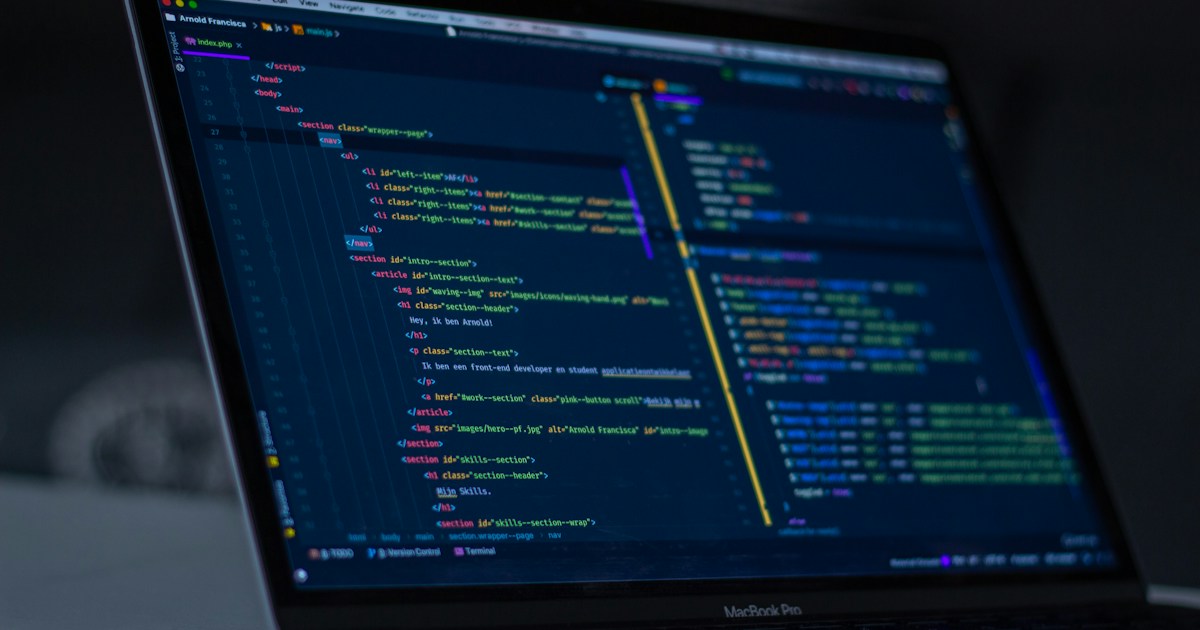

The "Who Builds the Frontend Now? (And What Breaks When They Do)" presentation panel took place on November 4, 2026. Panelists Luca Mezzalira, James Hall, Danielle An, and...
Luca Mezzalira and James Hall led a discussion on how AI tools and vibe coding reshape frontend and mobile engineering.
Frontend Engineering Realities Explored at the Panel
The “Who Builds the Frontend Now? (And What Breaks When They Do)” presentation panel took place on November 4, 2026. Panelists Luca Mezzalira, James Hall, Danielle An, and Ivan Zarea addressed how artificial intelligence tools and vibe coding alter the landscape of frontend and mobile engineering.
The discussion centered on the shifting operational realities for development teams operating in an AI-heavy ecosystem. Rather than focusing on proprietary codebases or hardware specs, the speakers examined the human and architectural friction points introduced by generative development techniques.
Managing AI-Generated Code Review Fatigue and Junior Developer Roles
One of the primary focal points of the panel was the administrative burden placed on senior engineers. The speakers shared insights on managing AI-generated code review fatigue, which occurs when automation accelerates raw code output faster than human review workflows can comfortably handle.
In tandem with code review fatigue, the panel examined how junior developer roles are evolving. As entry-level coding tasks shift toward AI augmentation, the required skill sets and day-to-day responsibilities for newer engineers are transforming, necessitating new strategies for mentorship and competency building within engineering organizations.
Autonomous Agents, Architectural Guardrails, and Open-Source Economics
The conversation extended beyond daily coding workflows to systemic infrastructure and economic sustainability. The panelists discussed designing systems specifically for autonomous agents, highlighting the architectural guardrails required to keep automated systems from destabilizing complex frontend and mobile applications.
Additionally, the panel tackled broader economic shifts affecting open-source software sustainability. As AI tooling reshapes how software libraries and frameworks are built and maintained, the open-source community faces financial and structural changes that require deliberate navigation.
Confirmed and Unconfirmed Elements
The information detailed from the presentation is verified through authoritative specifications and documentation.
| Element | Status |
|---|---|
| Presentation Panel Name | Confirmed |
| Date of Panel | Confirmed |
| Panelists (Mezzalira, Hall, An, Zarea) | Confirmed |
| Discussion Topics (AI tools, vibe coding, junior roles, code review fatigue, autonomous agents, guardrails, open-source economics) | Confirmed |
| Pricing or Version Numbers | Not in the sources |
What to Watch Next for Developers
Tech consumers, gadget buyers, and developers should monitor how engineering teams implement architectural guardrails to handle AI-generated code. Observers should also watch for ongoing adjustments in open-source software sustainability models and the changing requirements for junior developer onboarding as automated coding tools mature.
Frequently Asked Questions
Q1: Who spoke on the panel?
The panelists were Luca Mezzalira, James Hall, Danielle An, and Ivan Zarea.
Q2: What topics were discussed during the presentation?
The panelists covered how AI tools and vibe coding reshape frontend and mobile engineering, junior developer role evolution, code review fatigue, systems for autonomous agents, architectural guardrails, and open-source software economic shifts.